• GO TO PARASOL MEDICAL SITE
  • Shopping Cart Shopping Cart
    0Shopping Cart
Parasol Medical
  • Applications
  • Resources
  • Product Lines
    • Clear Check™
    • Cultivate™ Vial Adapters
    • PALL Syringe Filters
    • Contact™
    • PASS Kit Personal Aseptic Sampling System™
    • TTMicro™ System
    • HazardTest™ System
  • Where to Buy
  • Blog
  • Search
  • Menu

Designing Effective Media-Fill Tests for Sterile Compounders

Sterile compounding is a cornerstone of patient care. To ensure aseptic technique and maintain compounded sterile preparation (CSP) integrity, sterile compounders must design and execute robust media-fill tests (MFTs). These simulation tests are critical for verifying personnel competency and the effectiveness of environmental controls, particularly in both non-hazardous (non-HD) and hazardous drug (HD) compounding environments. This blog explores key considerations for designing media-fill tests, emphasizing the importance of initial comprehensive testing and a sustainable schedule for ongoing assessments.
Understanding the Purpose of Media-Fill Testing

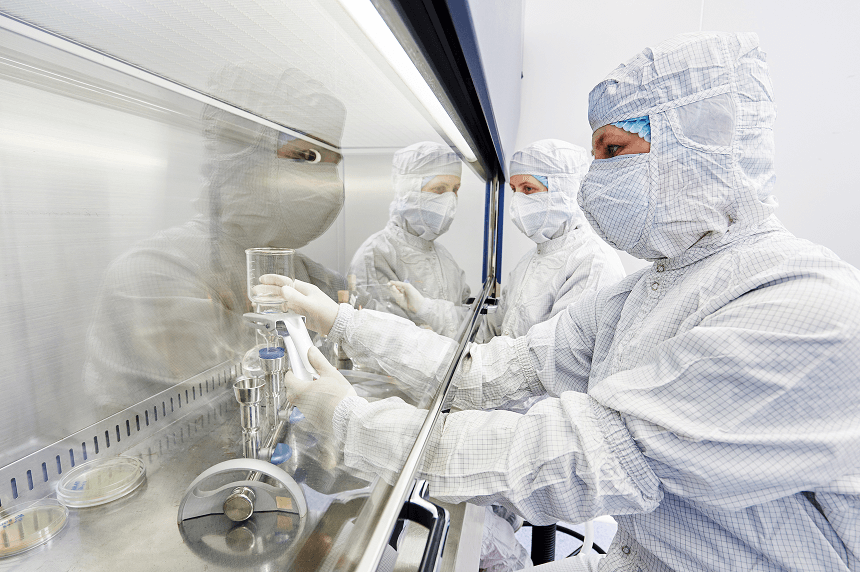
A media-fill test simulates the aseptic compounding process using microbiological growth media instead of actual medications. The goal is to identify breaches in aseptic technique or environmental control that could result in contamination. Successful completion demonstrates a compounder’s ability to prevent microbial contamination under realistic working conditions.

Key Elements in Media-Fill Test Design

  • Simulation of Actual Workflows: The MFT should closely replicate the most challenging and representative compounding procedures performed in your pharmacy. This includes the use of all relevant equipment, garbing procedures, and manipulations, whether compounding non-HD or HD products.
  • Appropriate Media Selection: Use a growth medium such as tryptic soy broth (TSB) that supports the proliferation of a wide range of microorganisms. Ensure that the media is compatible with the compounding devices and processes in use.
  • Environmental Controls: Perform testing under the same conditions as routine compounding, including within primary engineering controls (PECs) like laminar airflow workbenches (LAFWs) or biological safety cabinets (BSCs). Additionally, the MFT must capture elements that could potentially affect the sterility of the CSP, such as number of personnel in the buffer room or segregated compounding area (SCA).
  • Documentation and Evaluation: Maintain thorough records of each media-fill, including procedures followed, personnel tested, and results. Any growth detected indicates failure and necessitates an investigation, remediation, and retesting.

Testing Considerations for Non-HD and HD Compounding

Sterile compounders often perform both non-hazardous and hazardous drug compounding, each with unique risk profiles. When designing media-fill tests, it’s important to evaluate competency in both environments:

  • Non-HD Media-Fill Tests: Simulate standard sterile compounding techniques in designated non-hazardous areas. Focus on aseptic technique and minimizing touch contamination.
  • HD Media-Fill Tests: Conduct in line with USP requirements, including closed-system drug transfer devices (CSTDs) where applicable.

Initial and Ongoing Media-Fill Testing Schedules

If a staff member compounds non-HD and HD CSPs, both non-HD and HD media-fill tests should be performed initially upon hire and before any independent compounding activity. This ensures that personnel are proficient in the specific aseptic techniques required for each environment.

For ongoing competency assessments, best practice is to alternate testing every six months: conduct a non-HD media-fill test at one six-month interval, followed by an HD media-fill test at the next, and so on. This approach ensures yearly assessment in each environment while reducing testing fatigue and maintaining compliance with USP standards. If a compounder fails either test, retraining and successful retesting in the failed modality must occur.

Conclusion

A well-designed media-fill testing program is vital for sterile compounders, safeguarding patient safety and regulatory compliance. By carefully simulating non-HD and HD workflows, rigorously documenting outcomes, and adhering to an initial and ongoing testing schedule, pharmacies can ensure their teams are prepared to deliver the highest quality compounded sterile preparations.

Reach out to the Parasol team to learn more.

Designing Effective Media-Fill Tests for Sterile Compounders

December.1.2025

Understand how to design effective media-fill tests that accurately simulate real-world sterile compounding workflows and verify personnel competency across both non-HD and HD environments. This article breaks down the key elements, testing schedules, and documentation practices needed to build a reliable, compliant, and sustainable MFT program. Read more

A 90-Day USP <797> Tune-Up Plan: Practical Steps, Real Results

November.19.2025

Explore a focused 90-day roadmap designed to tune up your sterile compounding program without disrupting daily operations. This guide breaks down the essential actions, checks, and habits that drive real, measurable progress toward USP <797> compliance. Read more

Donning Sterile Gloves: What Observers Must Watch For

October.12.2025

Learn how to sharpen your sterile gloving observation skills with this clear, step-by-step guide that highlights the highest-risk moments and what to watch for. This article breaks down the key actions, cues, and coaching techniques that ensure sterile gloving is performed safely, consistently, and in compliance with best practices. Read more

Share with:
  • Share on Facebook
  • Share on X
  • Share on Pinterest
  • Share on LinkedIn
  • Share by Mail
  • Applications
  • Product Lines
  • Resources
  • Where to Buy
  • Parasol Medical
  • Sitemap
  • Privacy

©Copyright 2025 Parasol™ Medical, LLC., all rights reserved.

Scroll to top